Letting Go of the Original Plan

The past month has been about learning to shift and let go. This is not always easy for me. The trip to the sunny South that got cancelled (again) after being rescheduled back in January. The lingering cough and losing my voice (not COVID, not the flu) that zapped my energy for weeks. The French conversation class—hard to participate when your voice leaves you, but I listened. 

I don’t consider myself stubborn, preferring the word “focused” because it sounds better, I guess. I try not to be rigid, but when I make a plan I like to see it through. Until last week, I was mostly seeing it through my living room window, too tired to do much more than read a little, write a bit, and search YouTube for gardening inspiration.

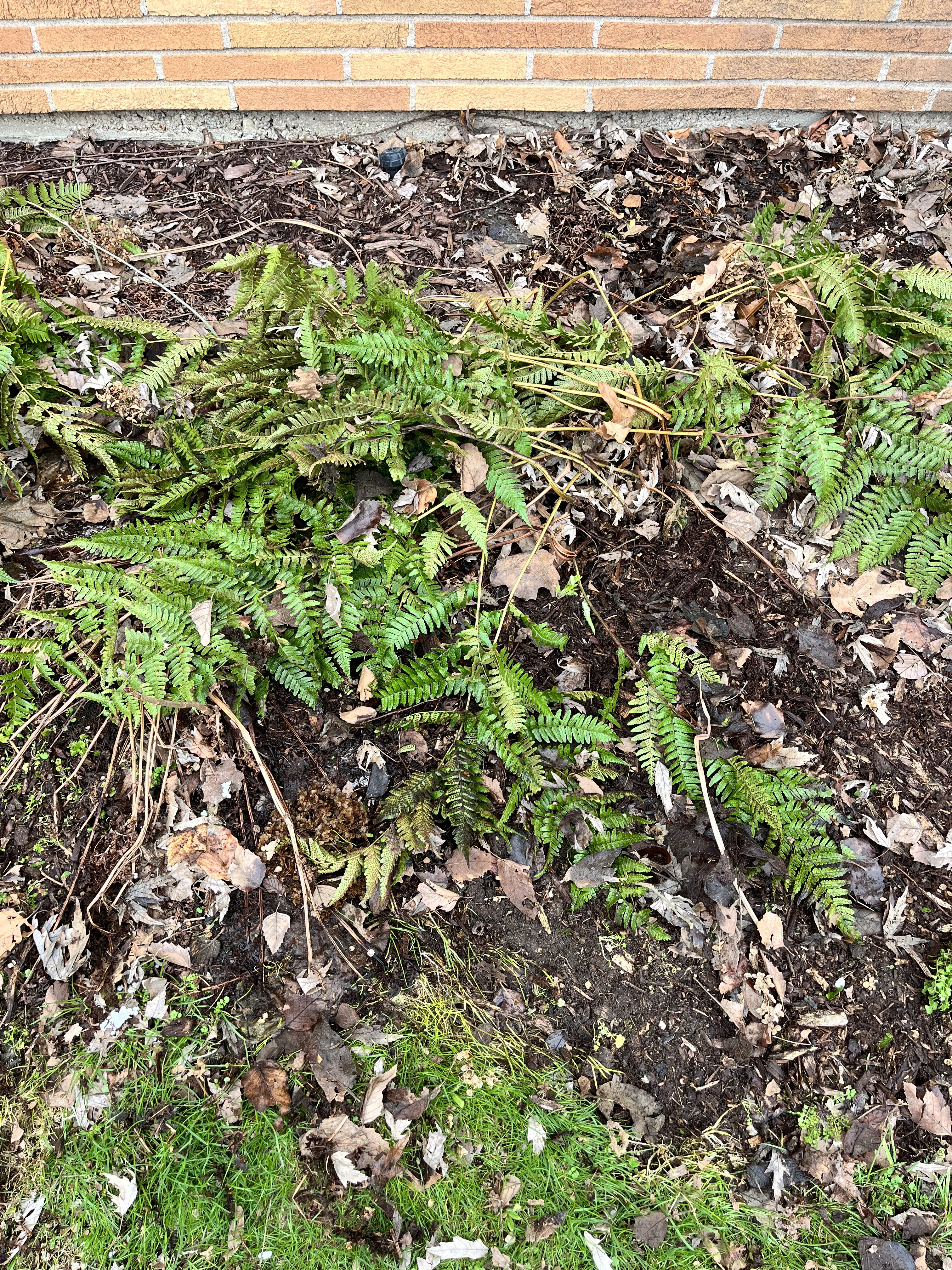
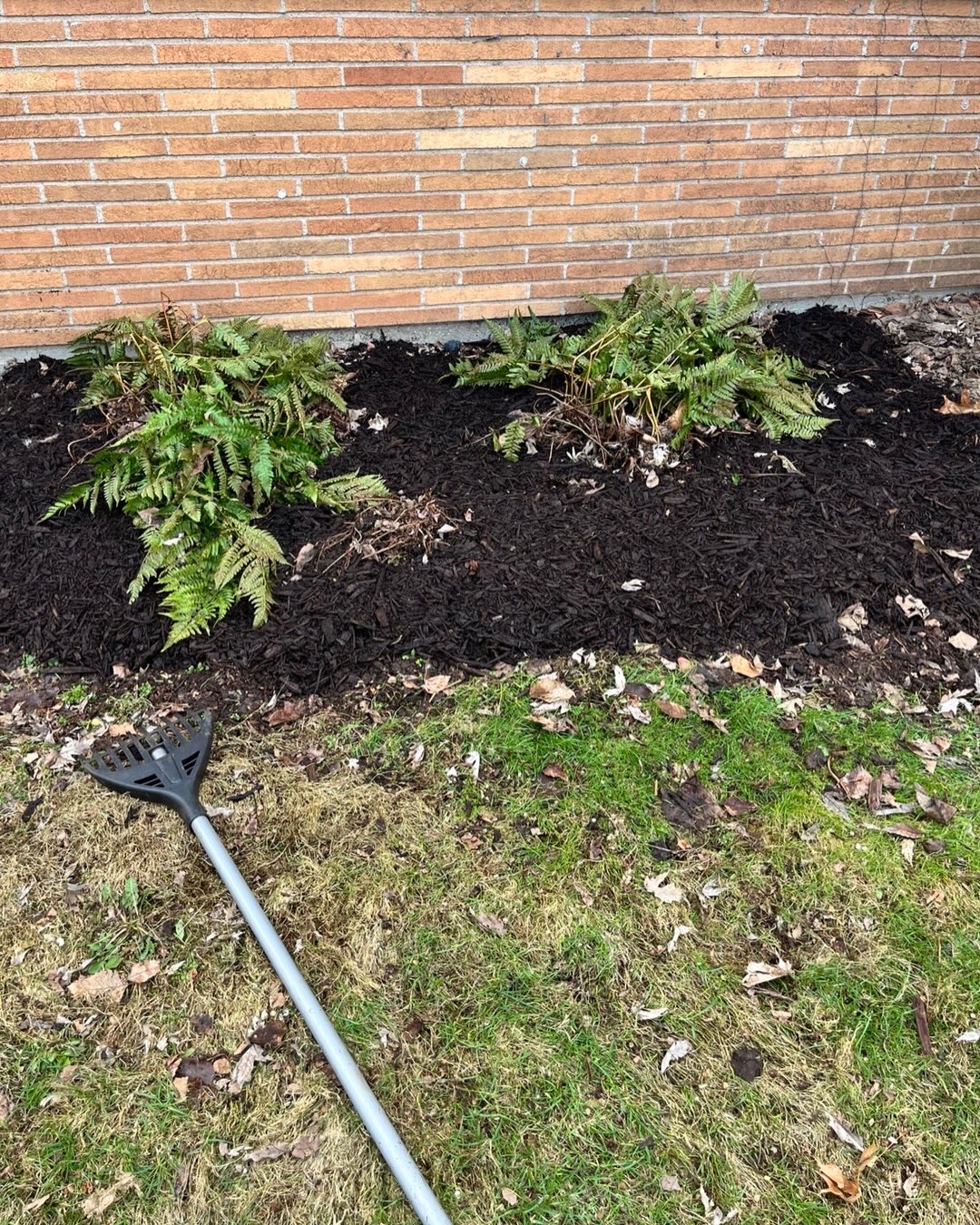
Last week, when the temperatures finally ventured past the 50s, I went out back and decided to tackle one small area, work until I was tired. The backyard of my house is shady, and I have two shade gardens, ferns in one part, hostas (which I love) in another. I tackled the fern bed, which used to be home to a hydrangea that never blossomed much, not enough sun. Pulling weeds, trimming old growth, I went at it slowly, standing up to catch my breath when I got winded. I yanked up stems of the old hydrangea that did not flower, and pruned the nearby viburnum. Snip, cut, pull, and repeat. I raked out the bed of old leaves and spread mulch over the newly clean bed.

Such a feeling of accomplishment in such a small space.

But it was enough to remind me I was getting better and spring was here. Small steps matter; they count too. A change from the original plan, but with a shift in attitude and practice that I was glad I made.

This week has been much better. I am back to my workouts, cooked dinner for one friend and her children, and took a nice walk with another friend I had not seen in months. I told her ahead of time that I might get winded, so I would have to take my time. I got some writing done, and made green soup, full of spinach, kale, and spices. If I had resisted the changes that life demanded, by ignoring my exhaustion, fretting over the cancelled trip, and most of all, not resting, feeling better would have taken longer. I also would have missed the lesson that I have to return to at times—it is not just okay to rest, it is essential. 
My Life is Like a Garden

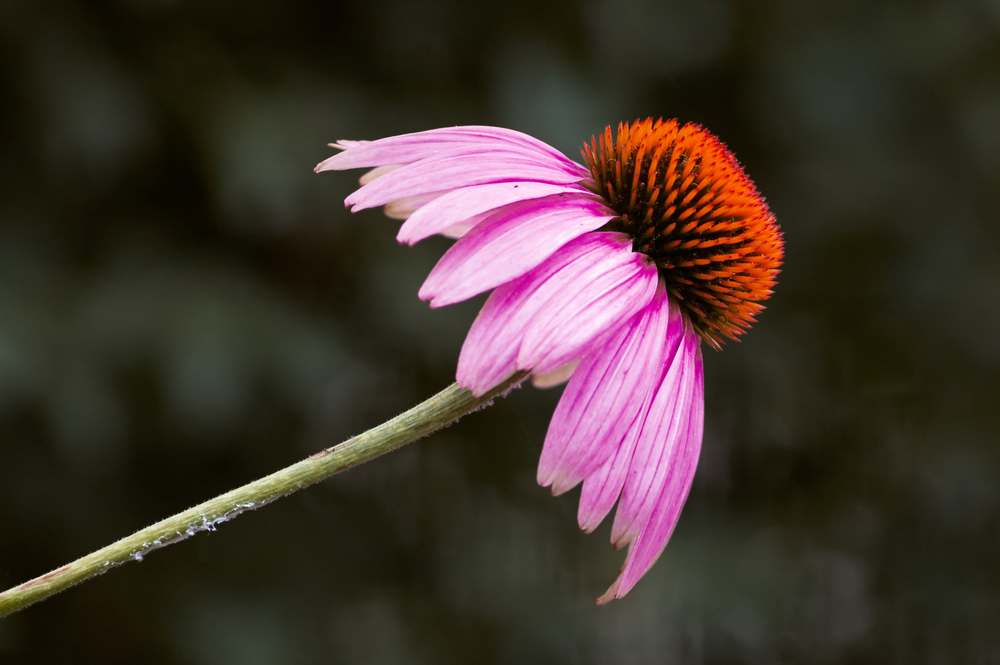
Echinacea flower

Over the last two weeks, I made some changes to the shade garden in my backyard and the flower garden in front of my living room window. Even though the plants were thriving, I spent time clearing some of them out. In the back, there are hosta, some with white-tipped leaves, others are more bluish-green, and another has leaves that are enormous (Empress Wu). I have two kinds of ferns intermingled with the hostas, and there are also deep pink impatiens planted in clusters. This part of my yard, on the north side, does not get nearly the sun that the front does, so I use shade-loving plants that like to keep their feet a bit wet because they thrive here.

But my garden also has a plant that is a bit of a bully—a purple iris that sends out a slim flower in early summer and what is left after the flower dies back is a mass of spindly leaves. I don’t mind that the season for the purple flowering is short, everything has its own season. What bothers me is that over the last several years, in parts of the yard, this iris has pushed out the hostas and peonies that used to share its space. So two weeks ago, after a rainy day moistened the soil, I grabbed my shovel and dug a massive clump of it out of the yard.

Normally I might try to find another place to put a plant that seems so native to my yard and grows well, but I knew in a few years’ time, I would have the same problem, too much iris creeping in, other more delicate plants being shoved aside. So I tossed the clumps into the yard waste bin, where they were carried off the next day for pickup. Even though I shook off as much dirt as I could while tossing the plants from one bin to another, I was surprised by how heavy the first trash can remained; it was hard to heave it up and into the yard waste.

The front flower garden is going to take more work, but that might have to wait until September, when I can divide and transplant the purple and red coneflowers and Black-eyed Susans (Rudbeckia) that have gone from a handful of plants to a dense plot of flowers that attract bees, butterflies, and many types of birds. Compared to the irises, this will take more time but the plants are not nearly as heavy to move around.

Yard work reminds me of life – the need to periodically prune, trim, and even toss when I realize I have allowed excess to creep in. Sometimes it is hard work to decide what to keep, what to get rid of, because I want to believe it all belongs, that there is space for everything I think I need to do. But when I sit back and reflect on what is working and what needs to go, or what can be postponed until later, just like the transplanting of the coneflowers to another spot in my yard, I realize that in creating a bit more space in my life, I can enjoy it more. I feel less encumbered, and can move more lightly, and that is a good thing.

There is a bothersome vine that has taken root in this area, and occasionally I see it has popped up in my yard in a space where it is not welcome, twisting through a rosebush or winding through the peony leaves. I don’t ignore it like I did the irises. Instead of tackling the vine all at once, I will pull at it a little at a time, leaving space, and tending to any overgrowth before it takes over.

Yard Work is Meditation

spring grass in sun light and defocused sky

As I get older, I am becoming more like my grandfather.  I needed a break after writing and went out for a walk when my true inclination is to get ice cream. It is hot today, in the 90s, and my day started early, probably in the same manner that my grandfather would have started a sweltering summer day — early, and in the garden.

Like a farmer or gardener who has learned to become familiar with rain forecasts and the path of the sun as the day passes, I know that if I want to work in the lower part of my backyard, the section filled with daisies, hosta, violets and peony leaves, I need to be out there early, before the sun has swept over the tall trees and the neighbor’s fence. Today’s project was simple — weed the flowerbeds, yank up the vine with its slender tendrils that thicken and choke the less resilient plants. I had chopped some limbs off a bush a few days ago, but left the shorn branches in the yard, so those need to be carried off to the yard waste bin.

On days like this I recall my grandfather’s yard, his backyard in particular. The lawn, though small, was always neatly trimmed, the geraniums and petunias spilled out of pots and whirly-gigs spun around at the slightest of breezes. He had summer parties there until the year before he passed away. He was always busy in that yard, tending to a plant, painting a chair that needed a refresh, working a little bit every day. If I happened to stop by, he would offer me a drink of something cool and there were always nuts or candy in the dish on the cocktail table in the living room.

Always a fine dresser, on those days I would catch him in his work clothes, a pair of old chinos, a tee shirt, worn but never raggedy. I wonder if working in the yard was as meditative for him as yard work has become for me.

I could call what I do gardening, but I prefer the phrase yard work; it captures the honor of simple labor and tending to nature. Every time I go outside, I feel a deeper connection to the earth, and to God. When I was little I played outside but never got really dirty; childhood allergies and asthma gave me a pass from outside labor.

But now I love the work, the dirt under my nails, the recognition of what is plant and what is called weed, the sharp tools, each one designed for a purpose. I like my three pairs of gloves, red, yellow and gray, and know that on some days I will be so immersed in my work that two pairs might get soaked from working in a dewy patch or digging in the moist soil. No bother, I simply set them out to dry in the sun and grab the third pair.

I am learning to accept the bugs, bees, and butterflies that coexist to make my little patch thrive. I laugh when I remember how I jumped the first time I saw a toad sitting in a cool spot near the back fence, too sluggish to move away, but seeming to say, this is my home too.

After a morning in my backyard, as the sun rises to the point where the shade is no more and the rays are making me sweat, I decide that I have done enough for one day and it is best to stop before I get too hot, too tired, or the work becomes a chore and the element of calm dissipates. I have learned that this translates to other areas of my life, learning when I have done enough, and can stop to rest.

I take a shower, have a light breakfast and then I am ready to work some more, only this time at my desk. I can write now. And when I am done with the day’s writing, I will walk again. When I think of my yard work and walking, that is when I feel connected to my grandfather. He never owned a car, preferring to take the bus, walk, or when he was older, had his children drive him to the grocery store or run errands.

Tomorrow I will start my morning in the front flowerbed, picking out the plants that will otherwise overtake the others, watering the roses, sniffing the basil that is in a small container on my front step. I will fuss over the two pots of ornamental grass that I rescued from the twenty-five cent rack at the garden store, and look for a small sign that they are recovering from a lack of water and too much sun.

I will be grateful for this small connection to the earth, remember my grandfather and begin the day’s work.